
Jaipur
Where Royal Geometry Glows in Pink
Discover Jaipur
Where Royal Geometry Glows in Pink
About Jaipur
Jaipur combines the geometry of a planned eighteenth-century city with the dramatic hill forts and palaces of the Kachhwaha rulers. Pink façades, arcaded bazaars, astronomical instruments, courtyards and workshops make the city both monumental and intensely active.
History and legacy
Maharaja Sawai Jai Singh II founded Jaipur in 1727, moving the capital from Amber and planning the new city according to principles of urban design and astronomy. Later rulers added palaces, gardens, institutions and the distinctive façades now associated with the Pink City.
Culture and character
Block printing, gemstone cutting, jewellery, miniature painting, blue pottery, textiles and traditional food remain central to Jaipur’s identity. Bazaars are not simply shopping areas but working cultural spaces where craft, trade and neighbourhood life continue.
Destination facts
- 01
The historic walled city of Jaipur is a UNESCO World Heritage Site.
- 02
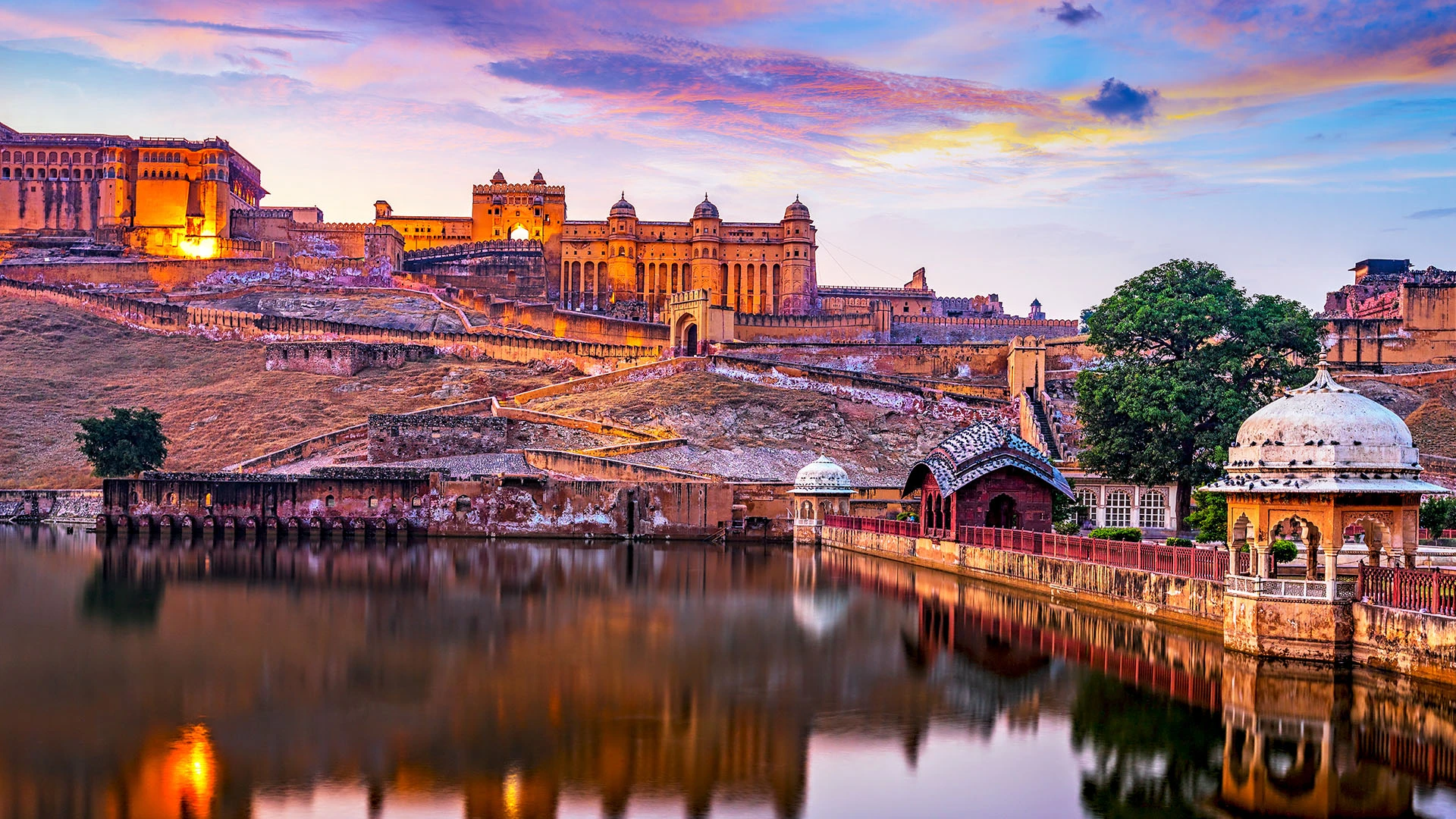
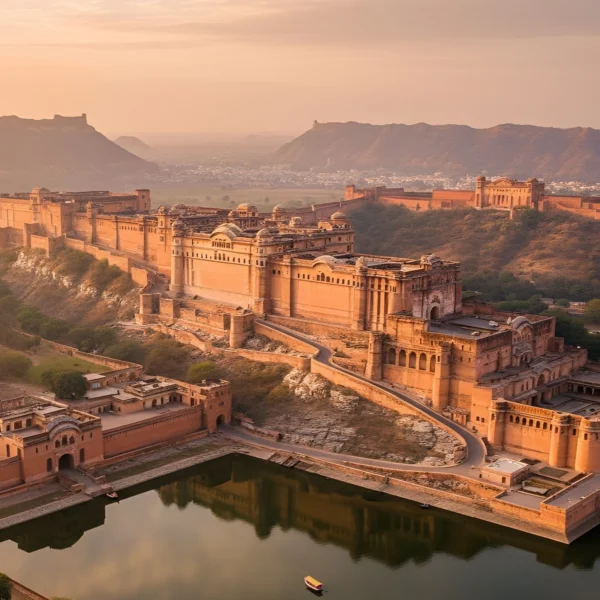
Amber Fort stands outside the old city and reflects the earlier Kachhwaha capital.
- 03
Jantar Mantar is a UNESCO-listed astronomical observatory.
- 04
Hawa Mahal and City Palace are defining landmarks within the historic centre.
Balance monuments with makers
Start Amber or the old city early, then spend time with the bazaars and craft traditions behind Jaipur’s visual identity. Use responsible transport at heritage sites, avoid animal rides and choose workshops or shops that clearly support skilled artisans.
Itineraries Featuring JAIPUR
Why We Love Jaipur
Rose-coloured streets, royal observatories and bazaars full of craft. Jaipur turns planning into spectacle.
A City Planned With Precision
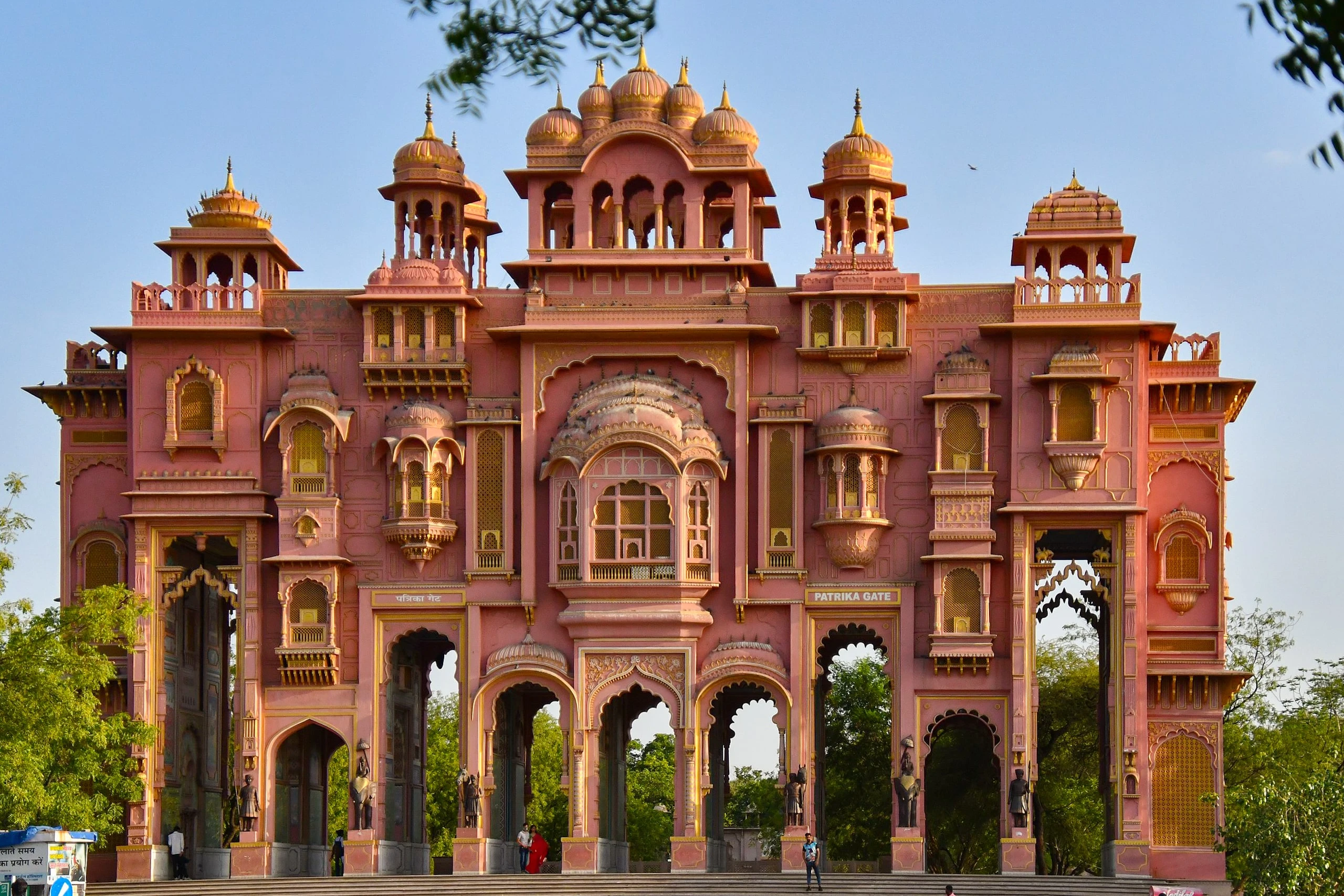
Gridded streets and monumental gates shape the historic centre.
Royal Courts in the Pink City
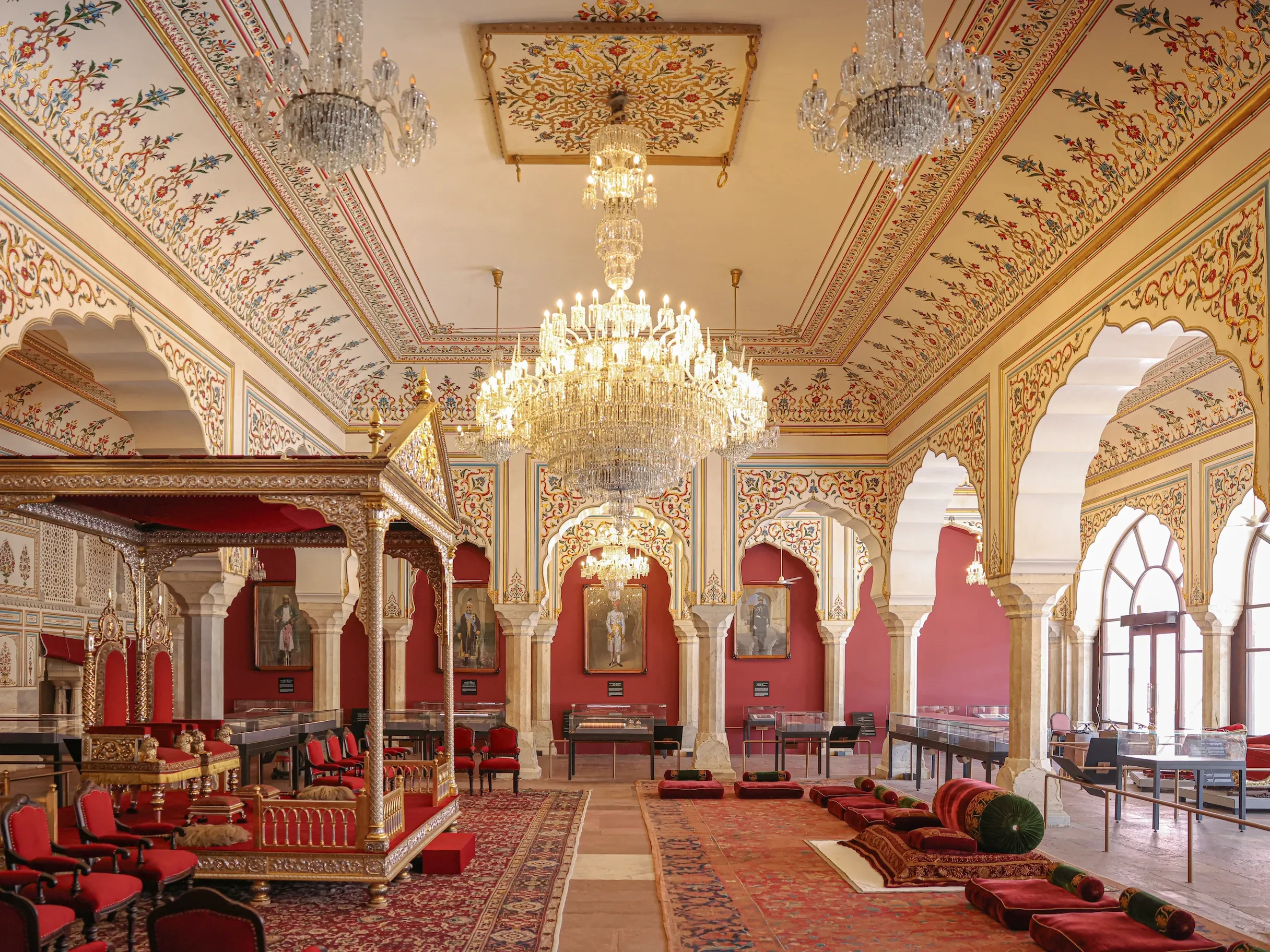
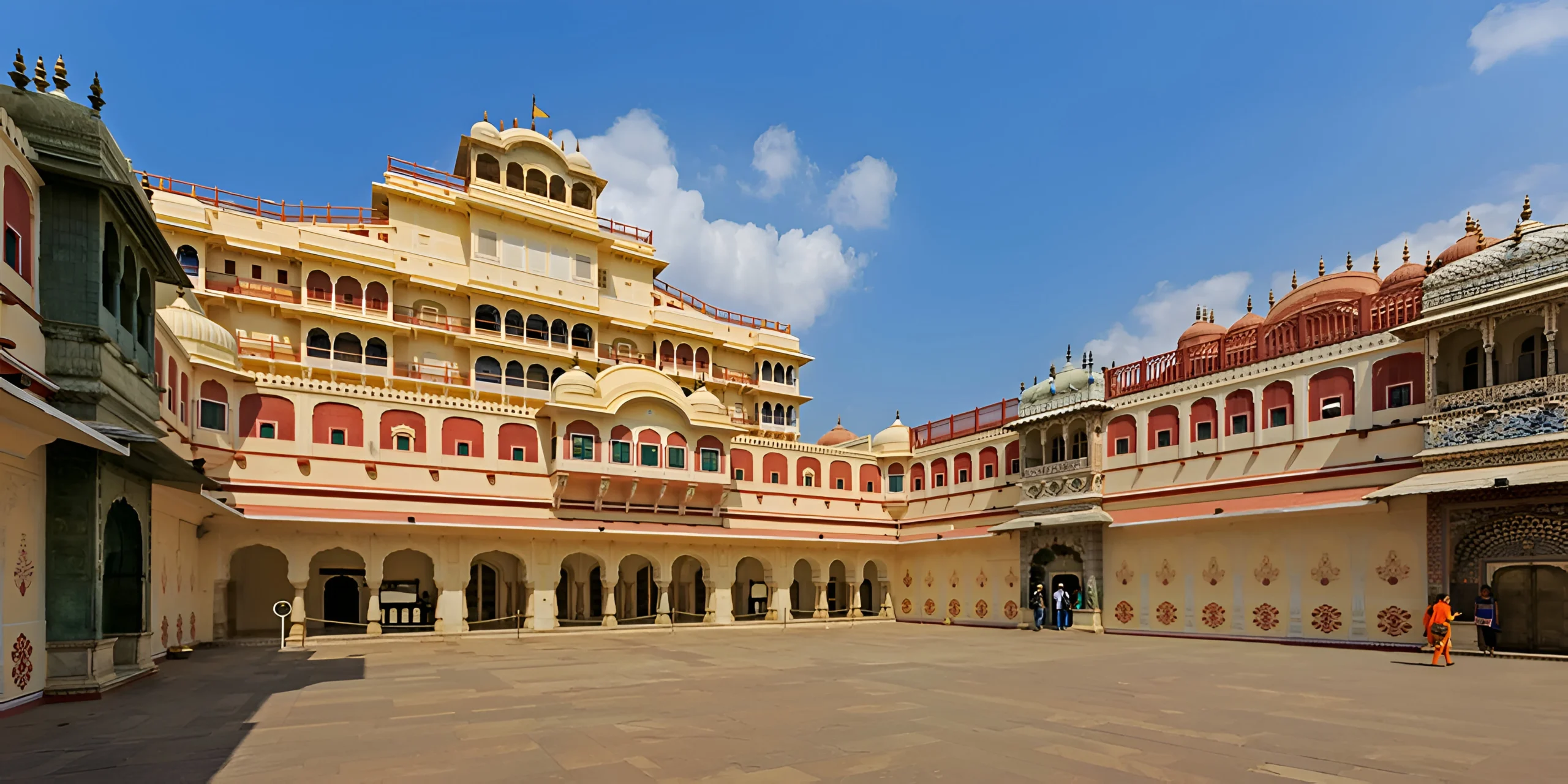
City Palace blends Rajput, Mughal and later courtly styles.
Amber Above the Lake
Courtyards and mirrored halls rise across a rugged hill.
Astronomy Built at Full Scale
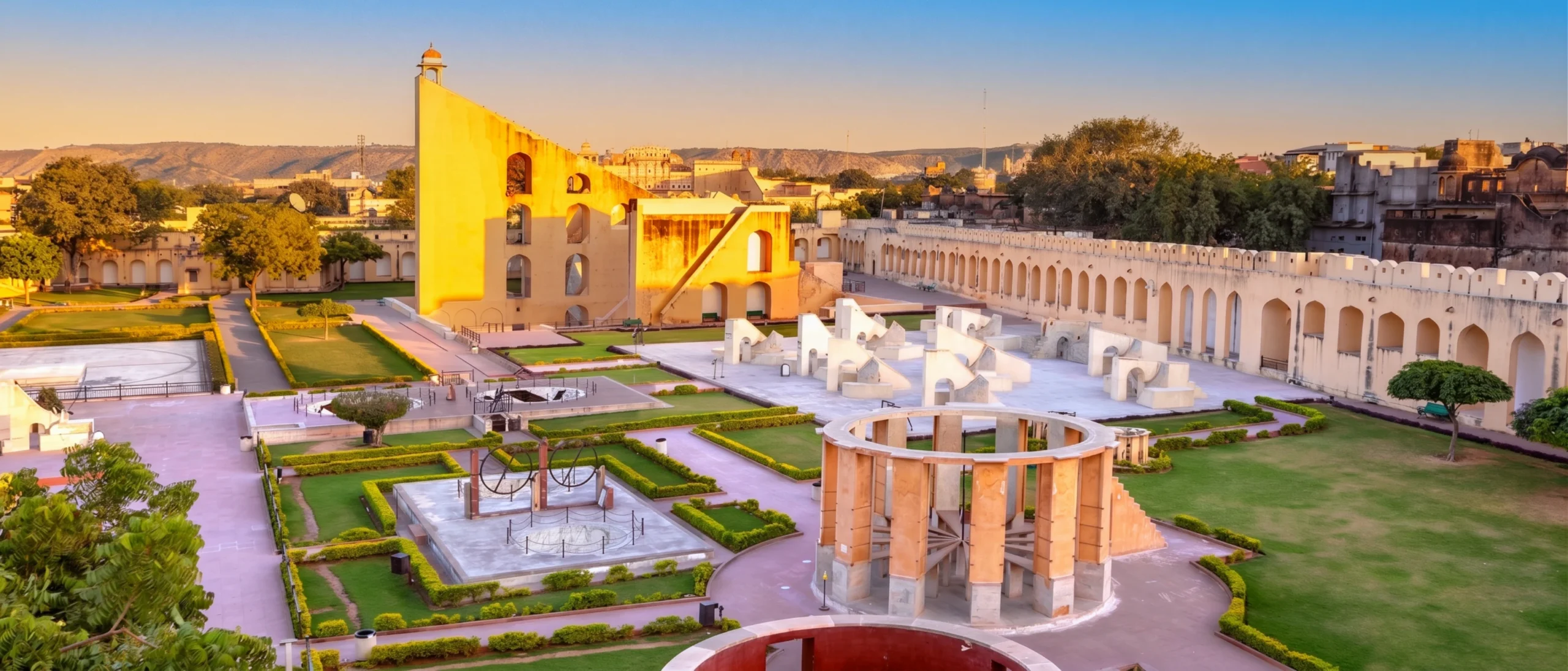
Jantar Mantar turns celestial measurement into architecture.
Bazaars of Colour and Skill
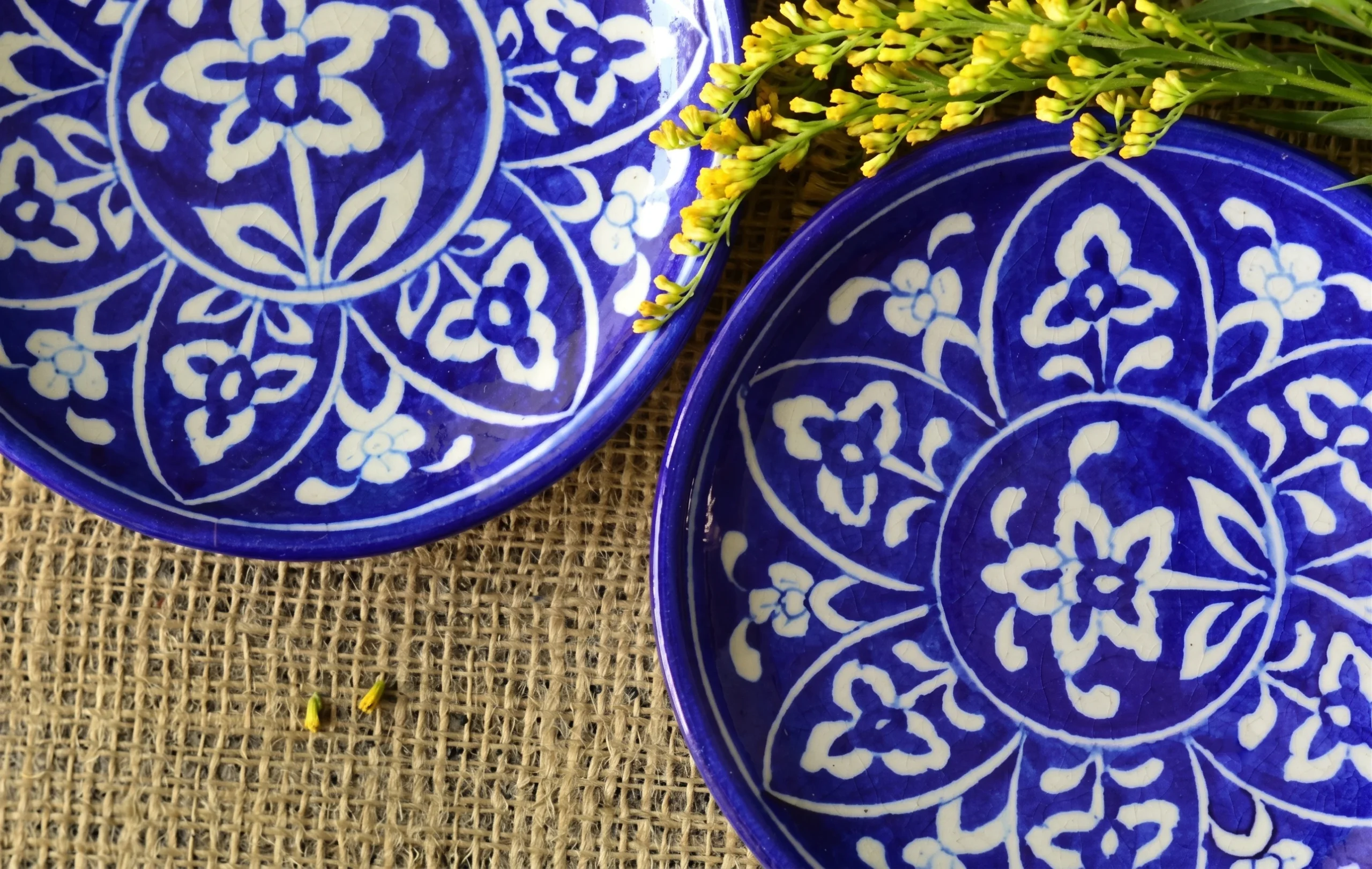
Block printing, jewellery and blue pottery fill workshops and shops.
Rajasthani Flavours With Character
Kachori, ghewar and rich thalis reward a day of exploring.
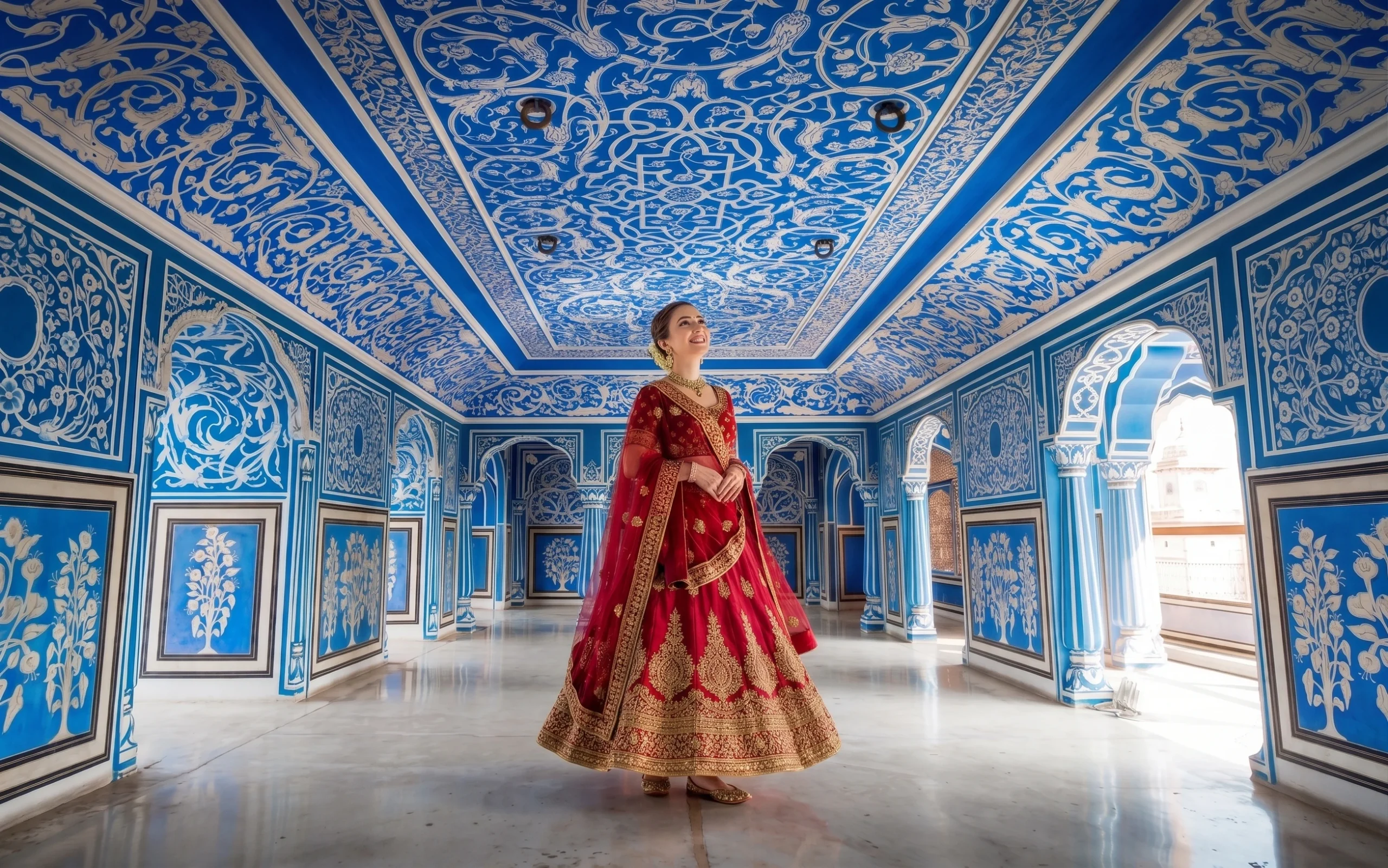
A Planned Royal Capital
Sawai Jai Singh II founded Jaipur in 1727 as a carefully planned capital. Broad streets, markets and civic blocks reflected both astronomy and practical urban design.
Pink Became a Welcome Colour
Much of the old city was painted pink in 1876 to welcome the Prince of Wales, creating the identity Jaipur still carries.