




Hampi
Where a Lost Empire Lives in Stone
Discover Hampi
Where a Lost Empire Lives in Stone
About Hampi
Hampi is a vast archaeological and cultural landscape where temple towers, market streets, royal enclosures, water systems and monolithic sculptures are set among granite boulders and the Tungabhadra River. Its combination of monumental history and dramatic terrain makes it one of India’s most distinctive heritage destinations.
History and legacy
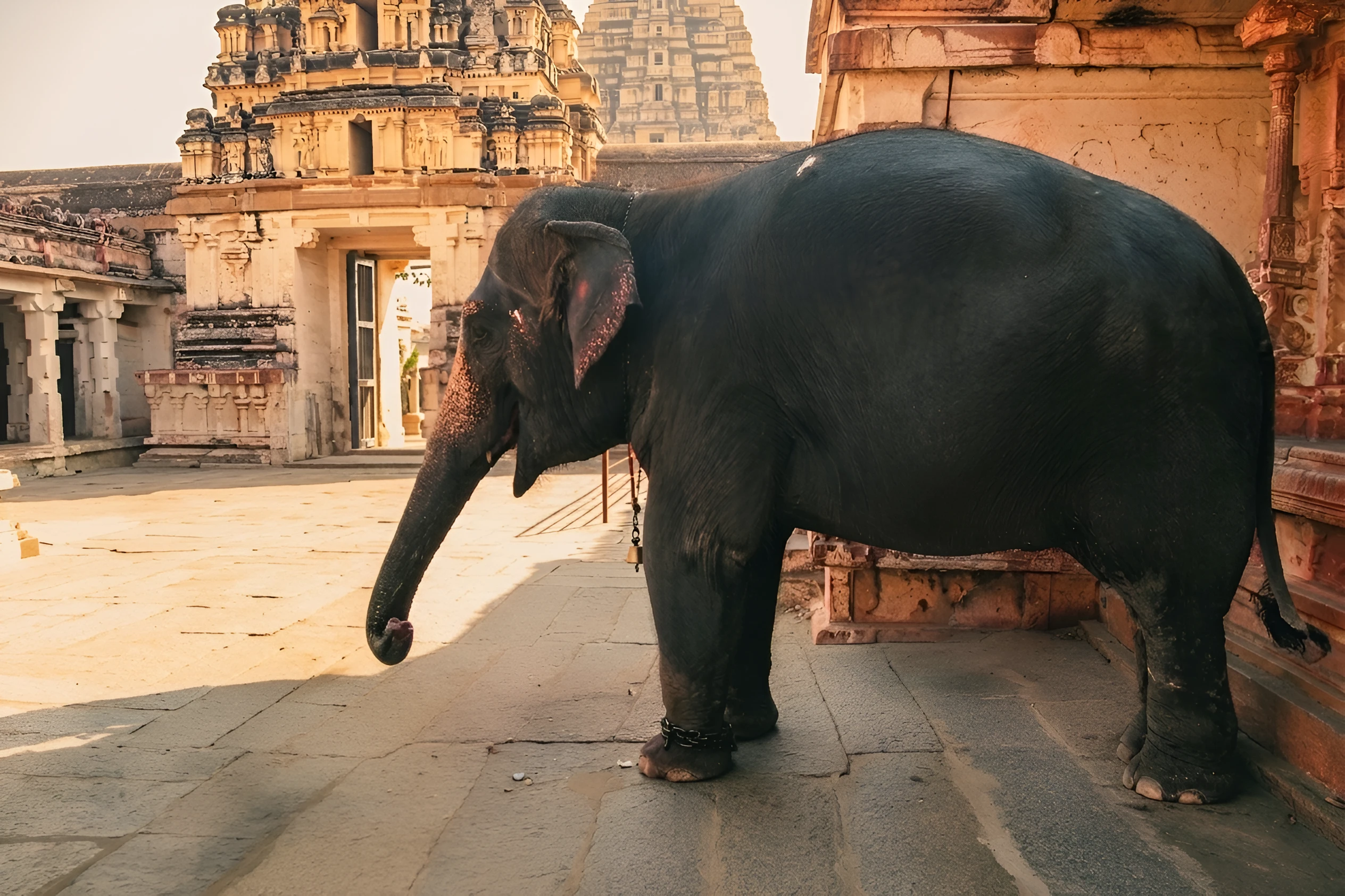
Hampi served as the capital of the Vijayanagara Empire, which flourished from the fourteenth to the sixteenth century. Travellers described a wealthy city of temples, markets and royal compounds. After the Battle of Talikota in 1565, much of the capital was damaged and gradually abandoned.
Culture and character
Virupaksha Temple continues as an active place of worship, while nearby villages, festivals, river crossings and agricultural fields keep the wider landscape inhabited. Craft, music, ritual and storytelling connect the archaeological remains with living traditions.
Destination facts
- 01
The Group of Monuments at Hampi is a UNESCO World Heritage Site.
- 02
The heritage landscape includes sacred, royal and urban zones spread across a wide area.
- 03
The Stone Chariot stands within the Vijaya Vittala Temple complex.
- 04
Hampi’s granite boulders and the Tungabhadra River are integral to its visual character.
Allow the ruins to unfold slowly
Spend at least two days across the major zones, begin before the midday heat and carry water. Walk or cycle where appropriate, use authorised transport for longer distances and remember that several monuments remain active sacred places.
Itineraries Featuring HAMPI
Why We Love Hampi
Temple towers, stone bazaars and a river winding through giant rocks. Hampi feels like history inside a dream.
Ruins of an Imperial Capital
Palaces, markets and temples reveal the scale of Vijayanagara.
Virupaksha Still Lives
Daily worship continues within one of Hampi's oldest sacred complexes.
Stone Crafted With Precision
Pavilions, gateways and carved columns display remarkable engineering.
The Tungabhadra Shapes the Site
Ghats, coracles and riverside shrines soften the monumental landscape.
Boulders Create Another World
Granite hills turn every route into a dramatic natural composition.
Sunset From the Hilltops
Elevated viewpoints reveal ruins scattered across the valley.
Capital of Vijayanagara
Hampi was the ceremonial and political heart of the Vijayanagara Empire from the fourteenth to sixteenth centuries. Its ruins preserve one of South India's greatest urban landscapes.
Stone Was Designed for Sound
The Vittala Temple is famous for finely carved musical columns that demonstrate the acoustic imagination of Vijayanagara builders.