
Delhi
Where Centuries Shape the Present
Discover Delhi
Where Centuries Shape the Present
About Delhi
Delhi is a capital of many layers, where medieval forts, Mughal avenues, colonial planning, contemporary institutions and dense neighbourhood life coexist. Its monuments are not isolated relics: they sit beside markets, gardens, places of worship, government districts and communities that continually reshape the city.
History and legacy
Delhi’s history includes settlements and fortified capitals associated with Rajput, Sultanate, Mughal and British rule. Shahjahanabad created the core of Old Delhi, while New Delhi introduced monumental avenues and administrative architecture. Since independence, the city has expanded into a vast national capital.
Culture and character
Delhi’s culture reflects migration from across India and beyond. Sufi shrines, Sikh gurdwaras, Hindu and Jain temples, mosques, churches, street food, fine arts, craft markets and neighbourhood festivals create an exceptionally diverse urban experience.
Destination facts
- 01
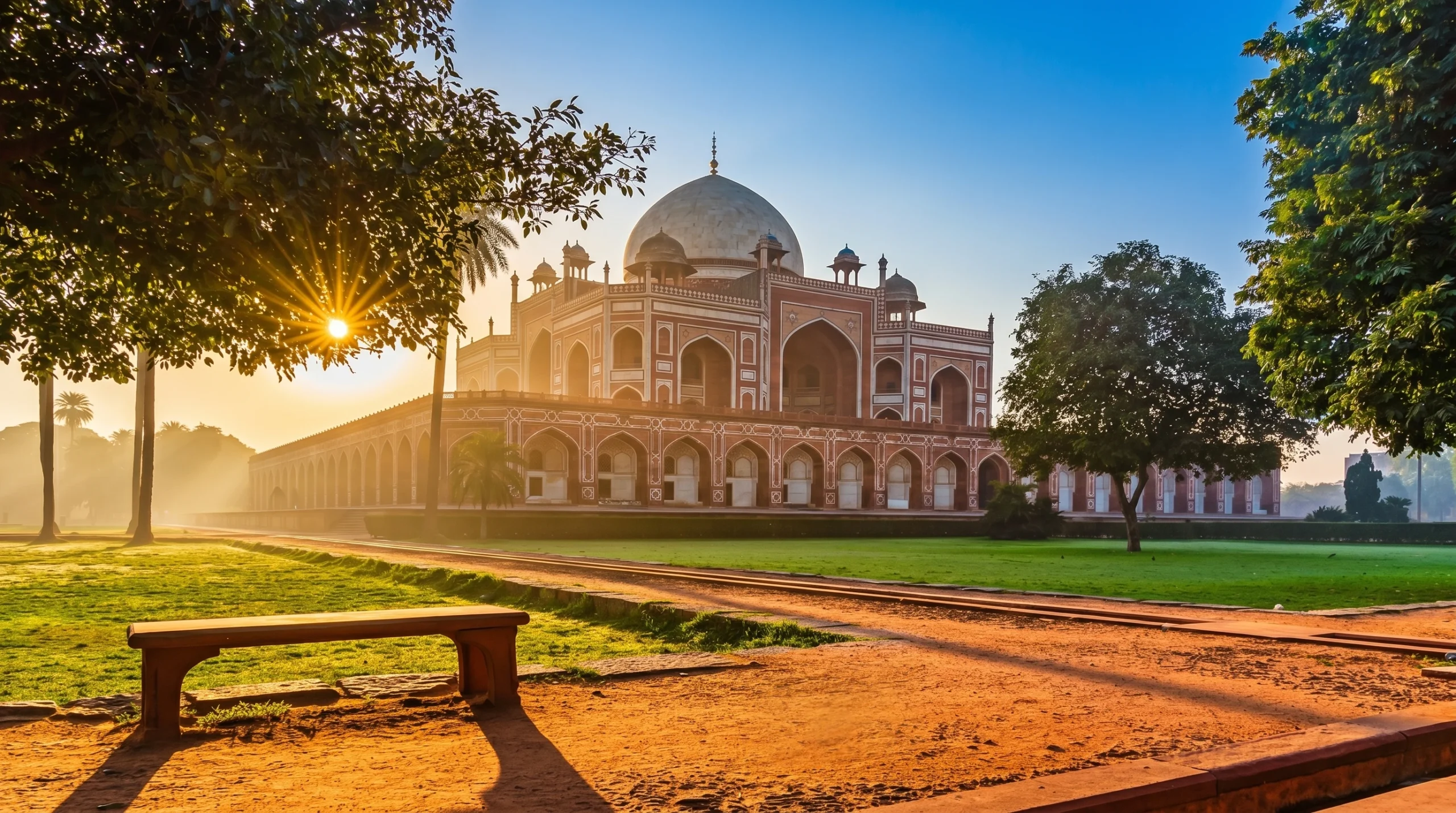
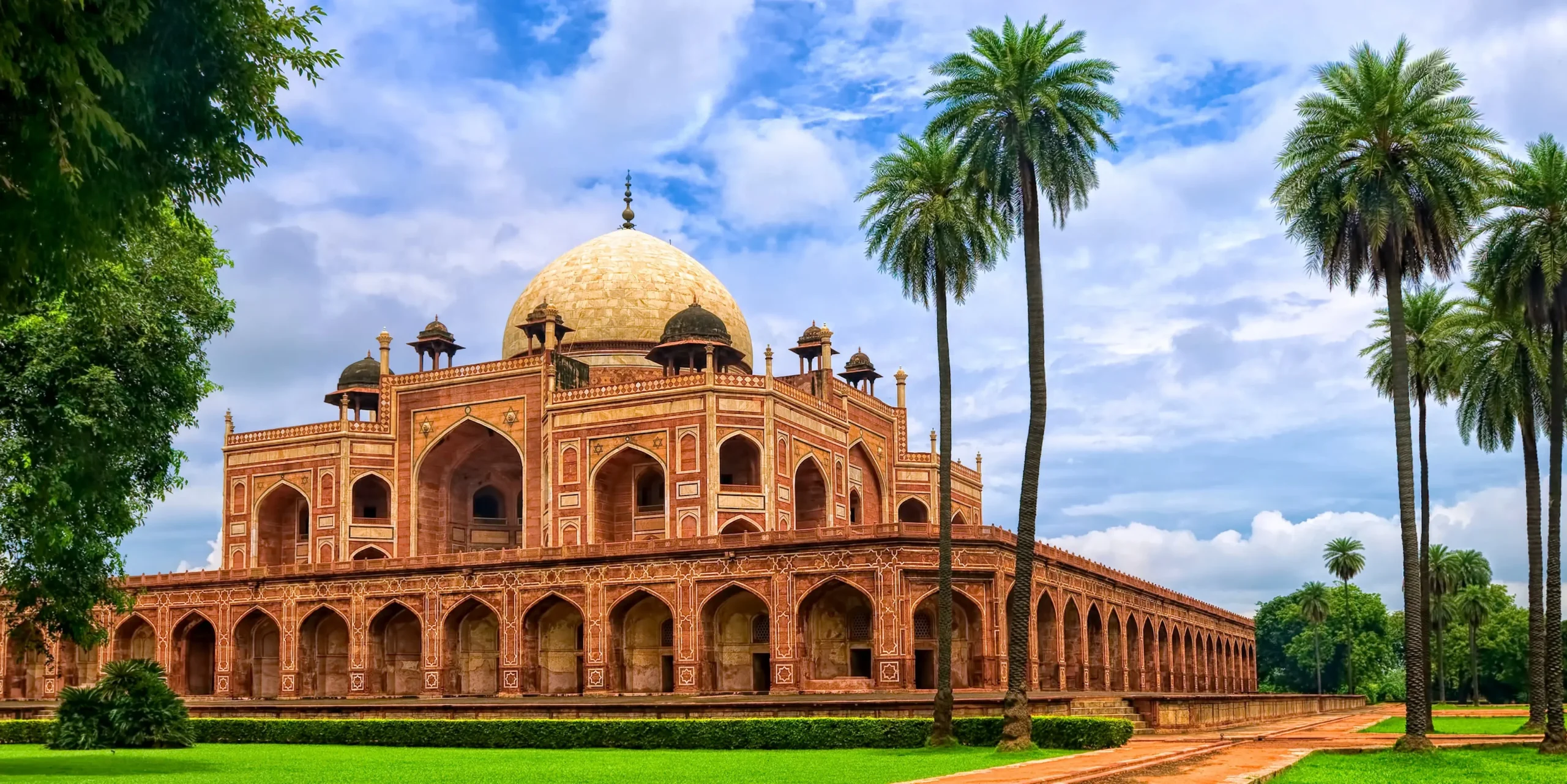
Delhi contains three UNESCO World Heritage Sites: the Red Fort, Humayun’s Tomb and the Qutb Minar complex.
- 02
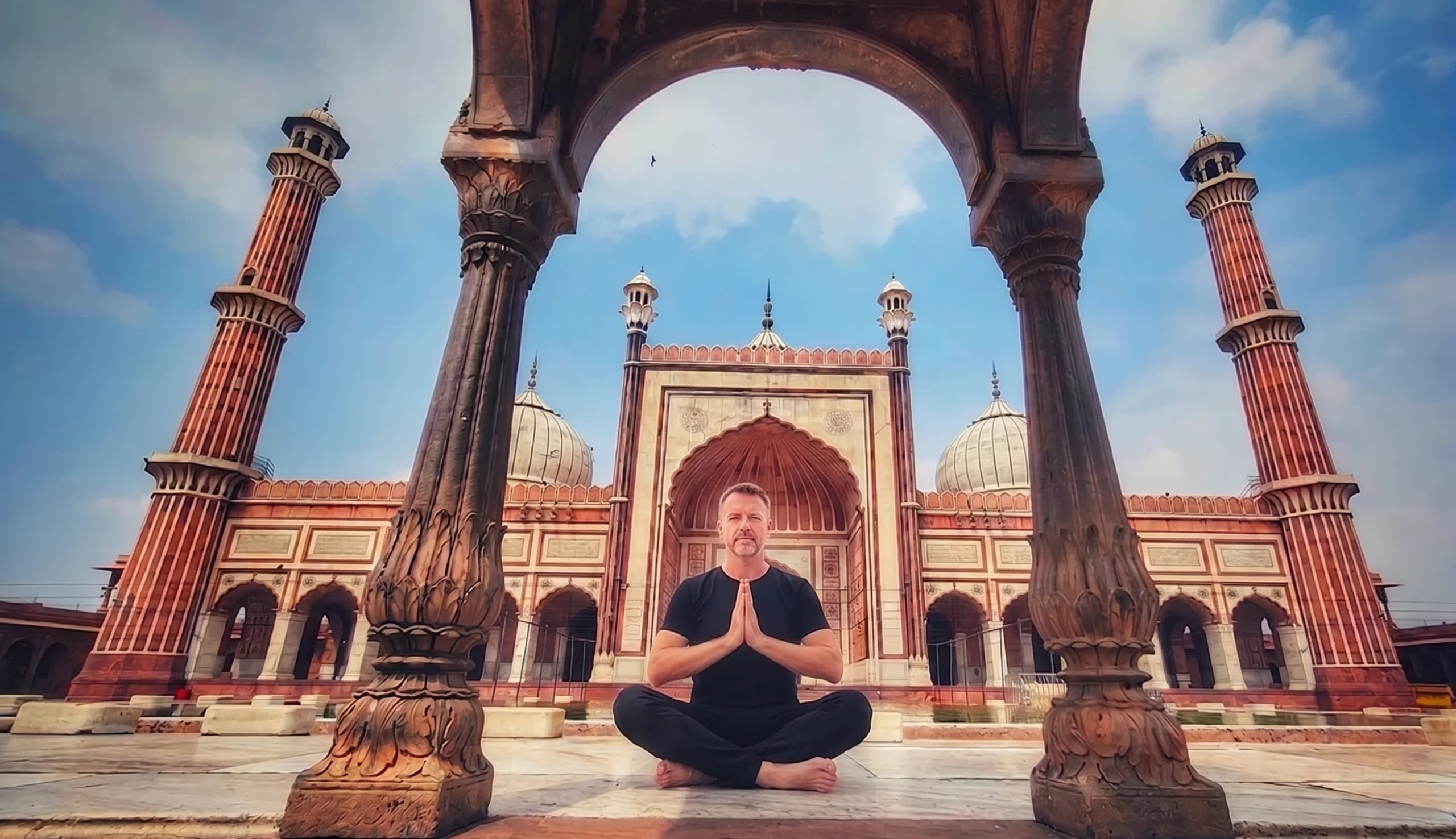
Old Delhi preserves the markets, lanes and monuments of historic Shahjahanabad.
- 03
New Delhi is known for ceremonial avenues, government buildings and tree-lined districts.
- 04
The Metro provides a practical way to connect many major areas of the capital.
Discover one layer at a time
Organise the city by neighbourhood rather than attempting everything in one day. Begin monuments early, use the Metro where practical and reserve time for a market, museum, garden or food walk so that Delhi is experienced as a living city rather than only a collection of landmarks.
Itineraries Featuring DELHI
Why We Love Delhi
Imperial avenues, medieval lanes and neighbourhoods that never stop changing. Delhi is many cities at once.
Many Capitals in One City
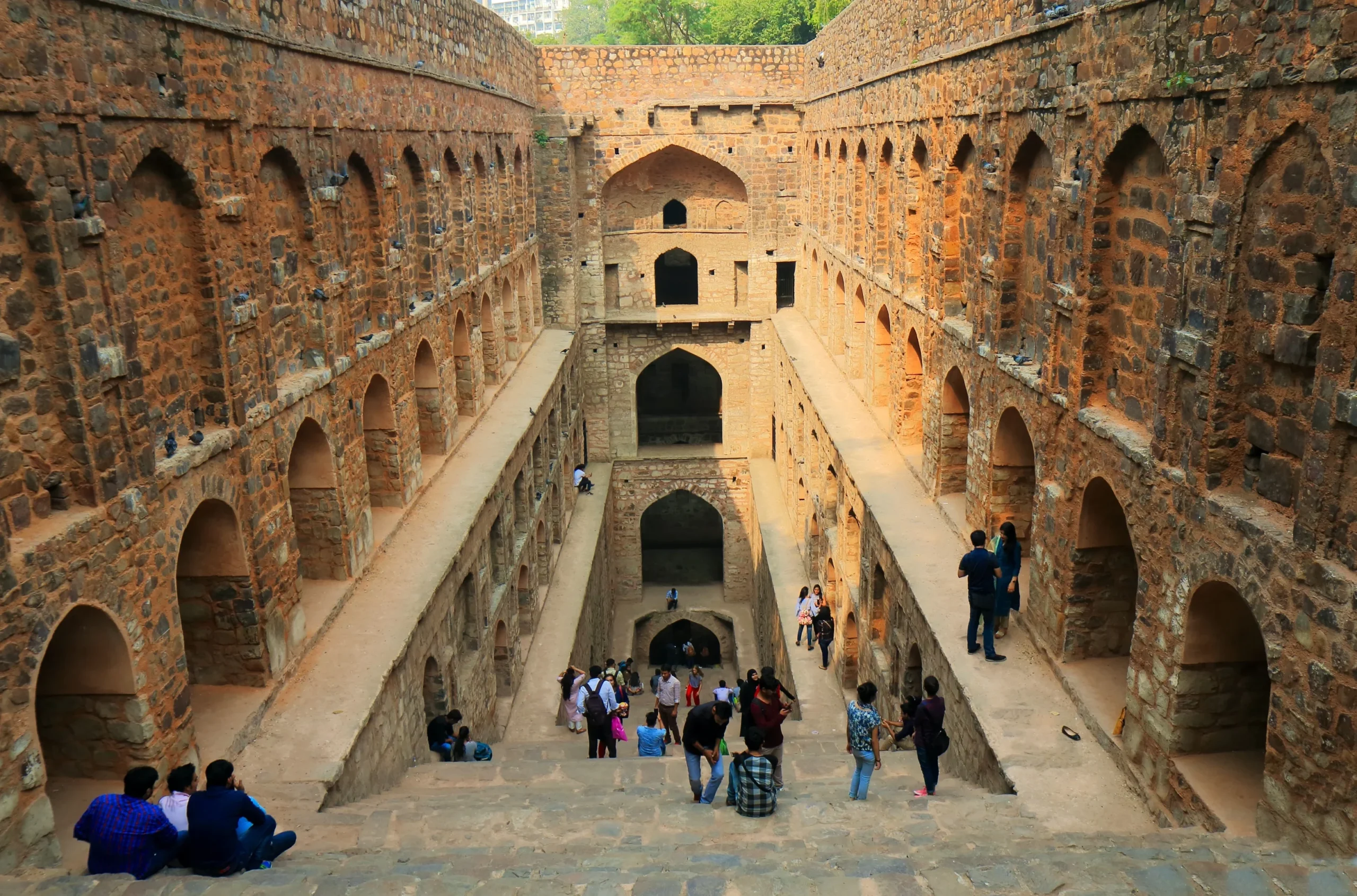
Ruins and neighbourhoods preserve successive centres of power.
Red Walls of Mughal Delhi
The Red Fort anchors the ceremonial heart of Shahjahanabad.
Monuments Across the Centuries
Qutub Minar and Humayun's Tomb reveal changing architectural ideas.
Old Delhi in Full Motion
Lanes, bazaars and food stalls turn history into everyday life.
Green Spaces Around the Ruins
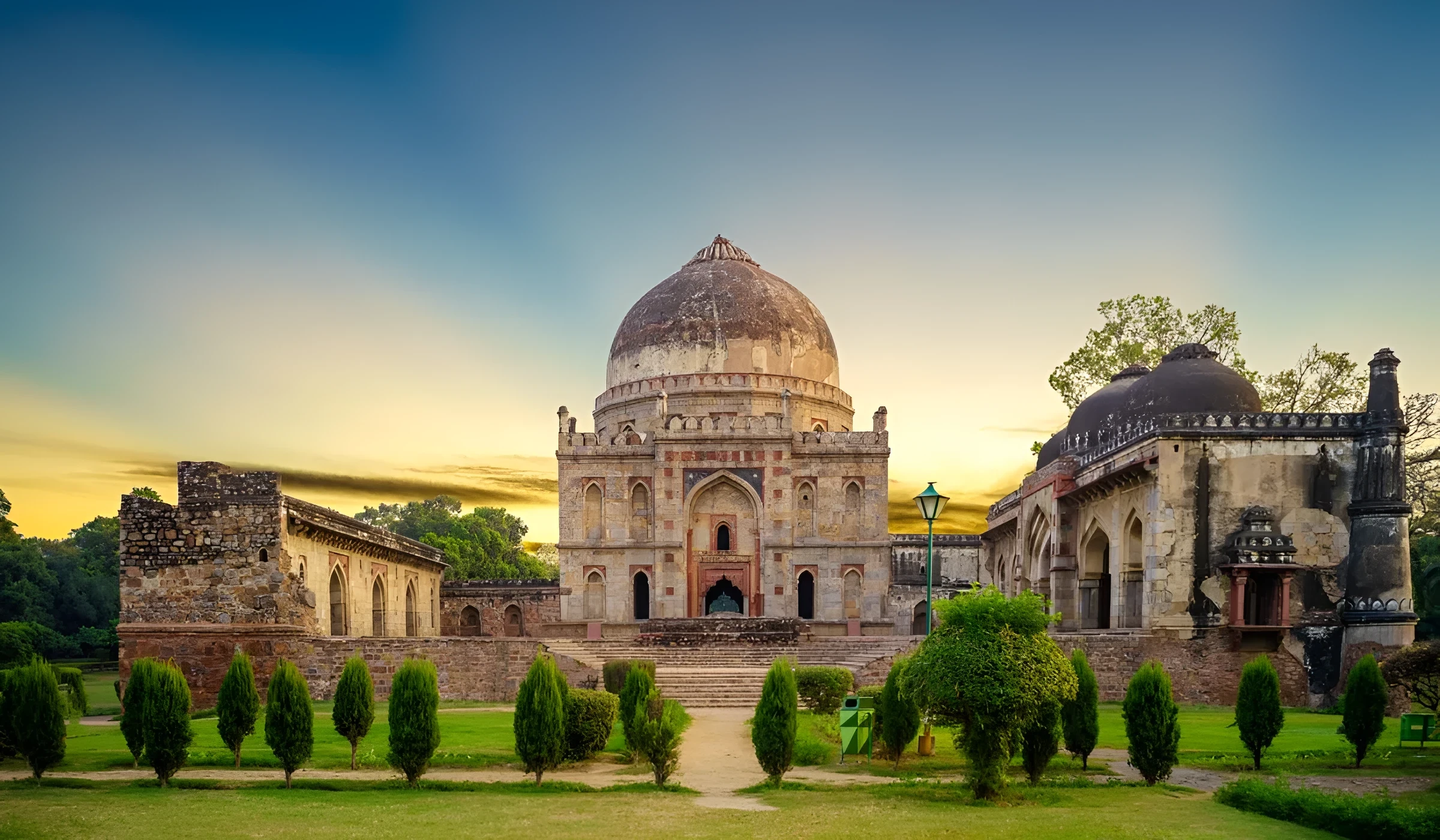
Lodhi Garden and other parks blend leisure with archaeology.
A Capital of Many Kitchens
Mughlai, Punjabi and regional flavours meet across the city.
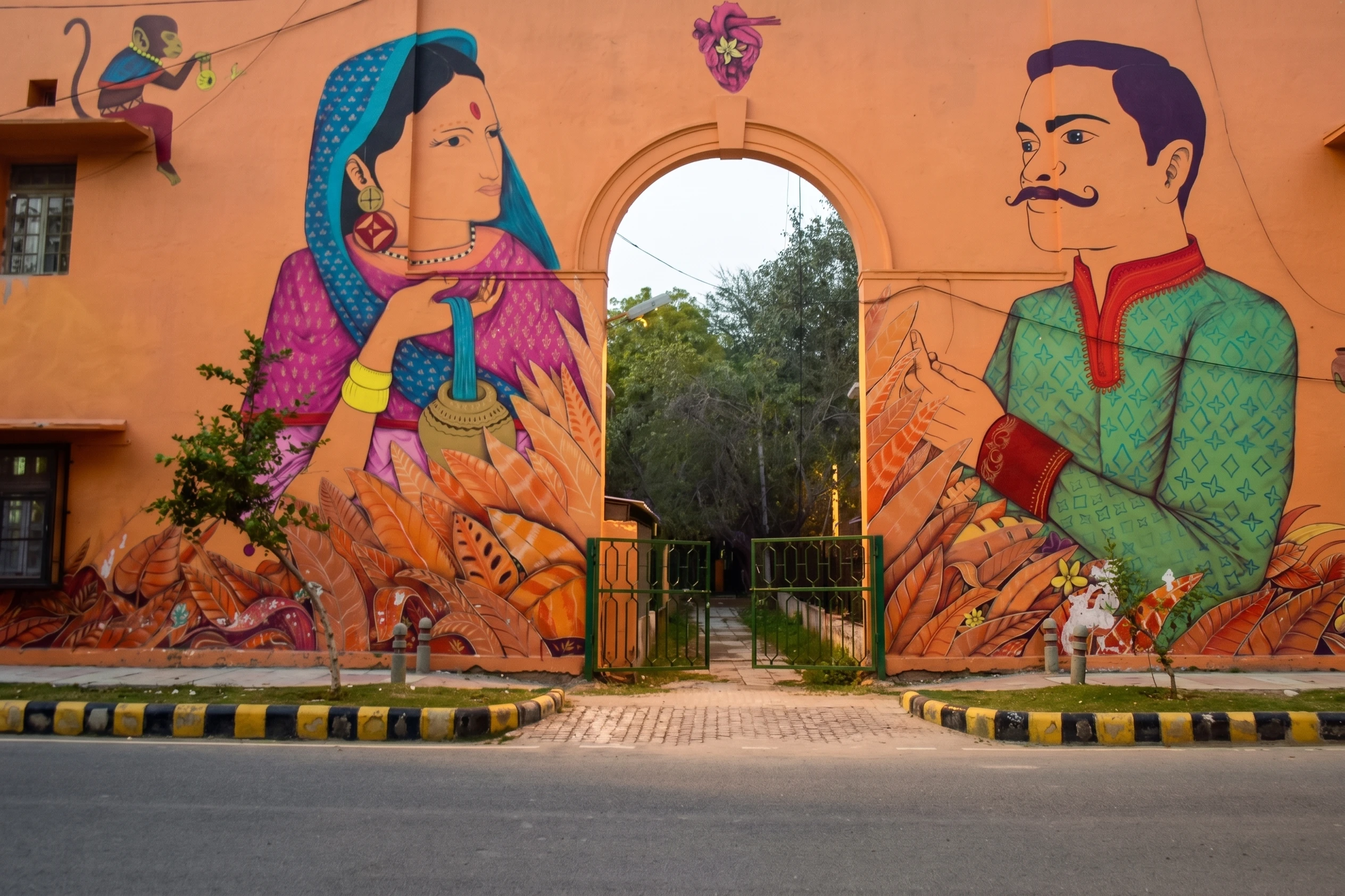
A City Rebuilt by Many Rulers
Delhi developed through successive settlements and capitals established by different dynasties. Mughal Shahjahanabad and British New Delhi remain two of its most visible layers.
The Capital Contains Many Cities
Archaeologists and historians identify several historic urban centres within modern Delhi, each linked to a different period of rule.